1. Pond conditions
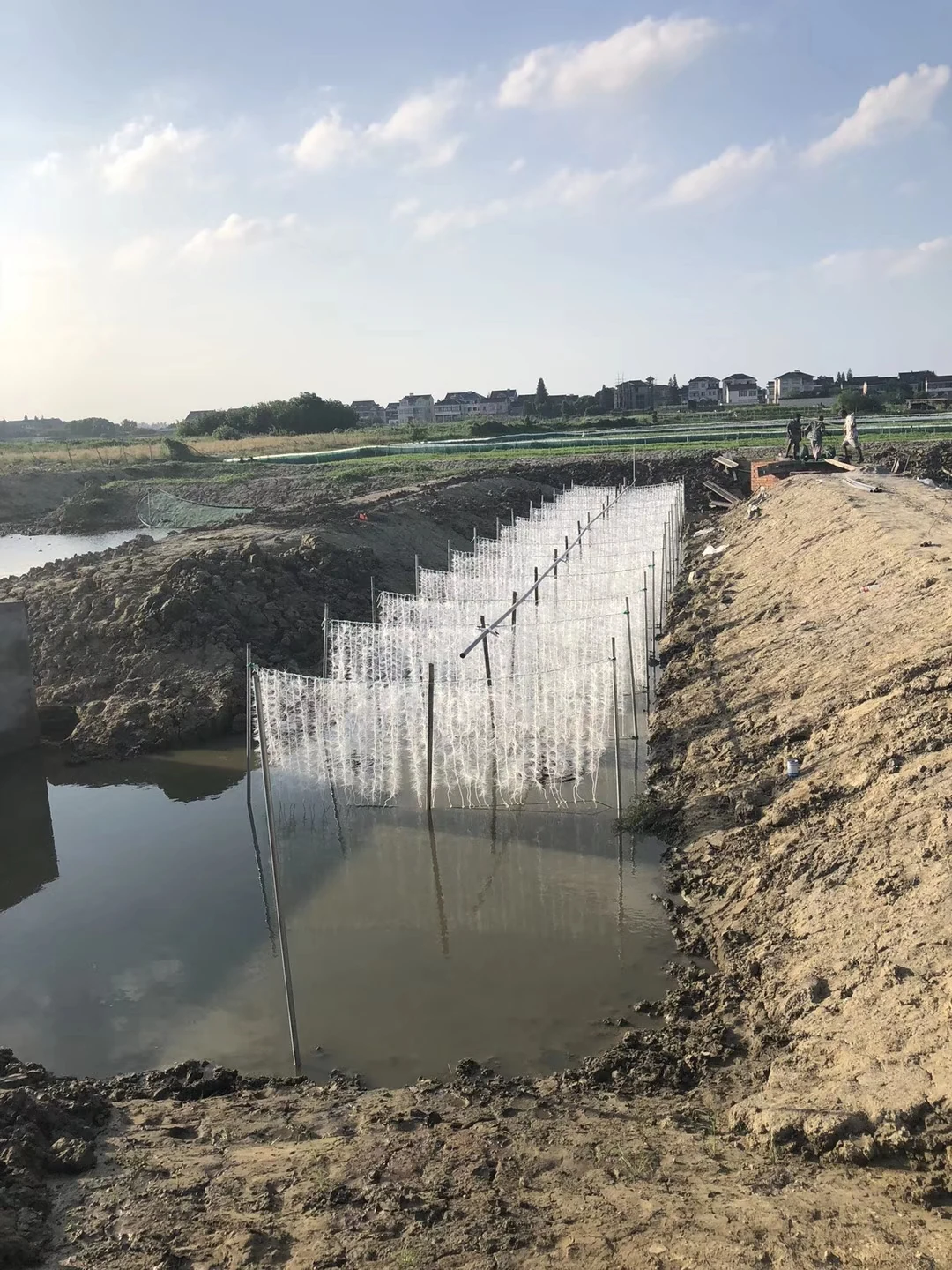
Choose ponds with inlet and outlet channels, reliable water supply and drainage, complete power equipment, convenient transport and good sunlight. Bottom silt should be less than 15 cm, with hard bank protection. Usable water depth: 2.0–3.0 m. Pond area: 10–200 mu (1 mu = 667 m²).
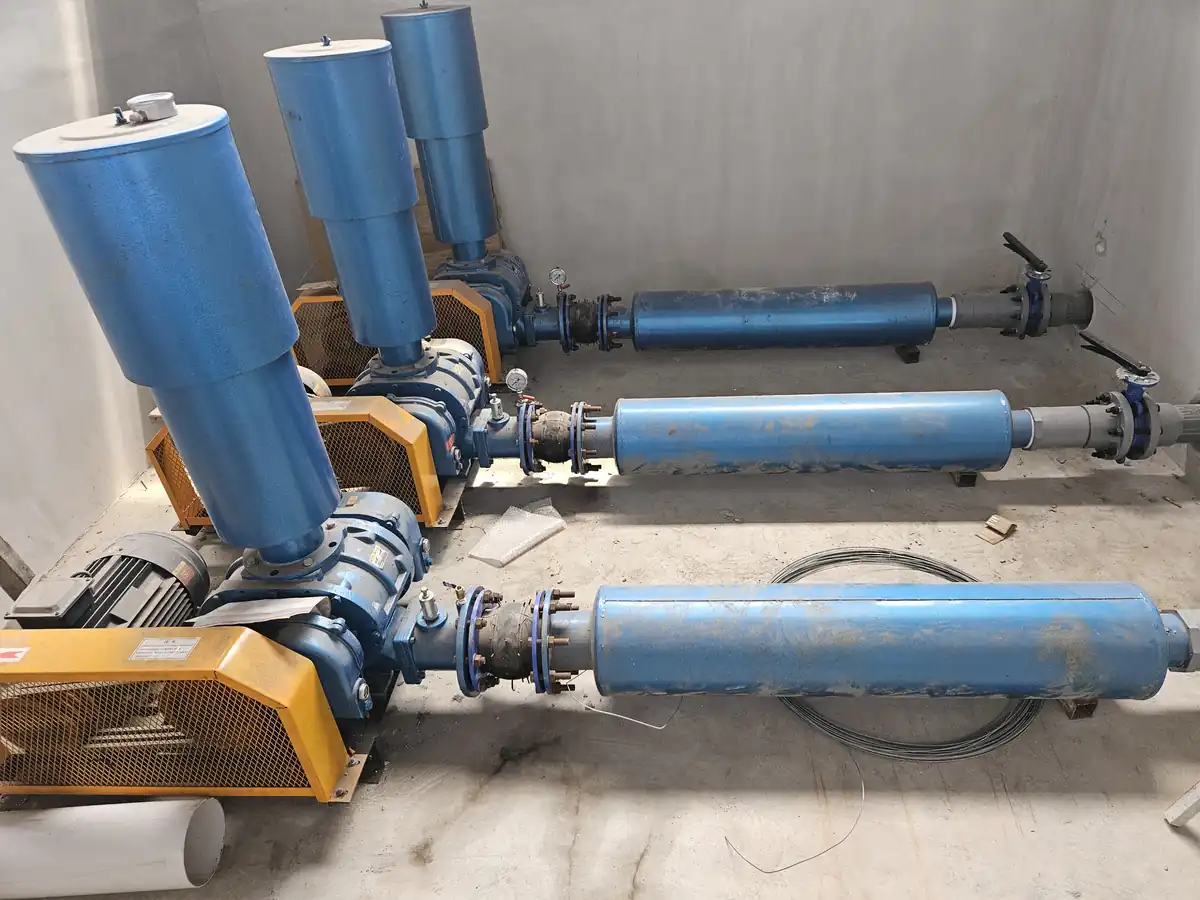
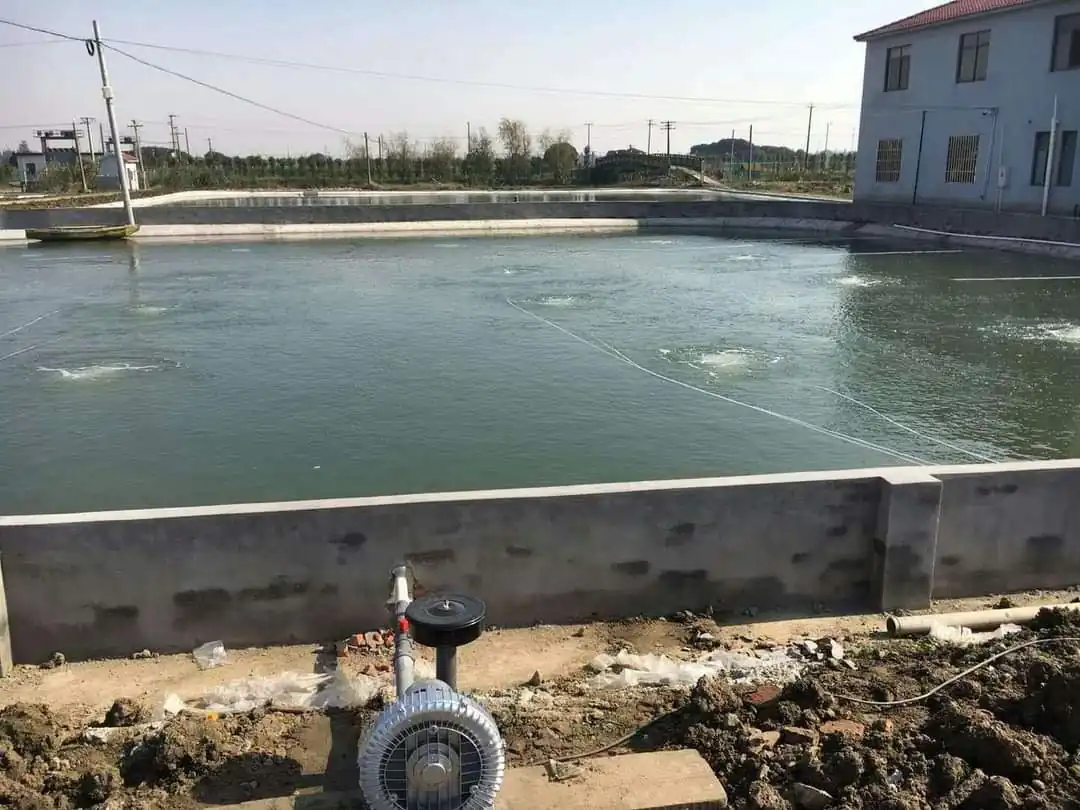
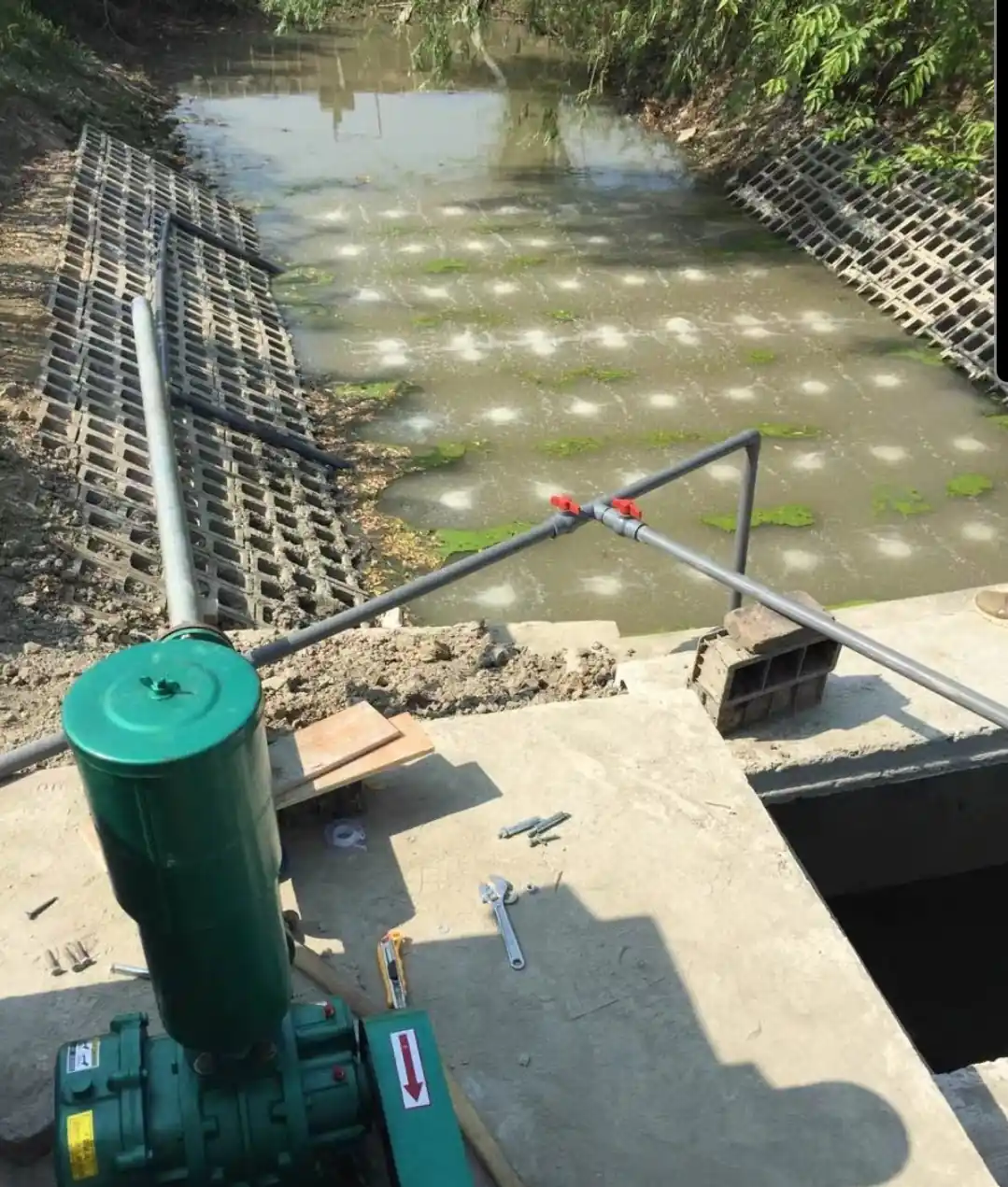
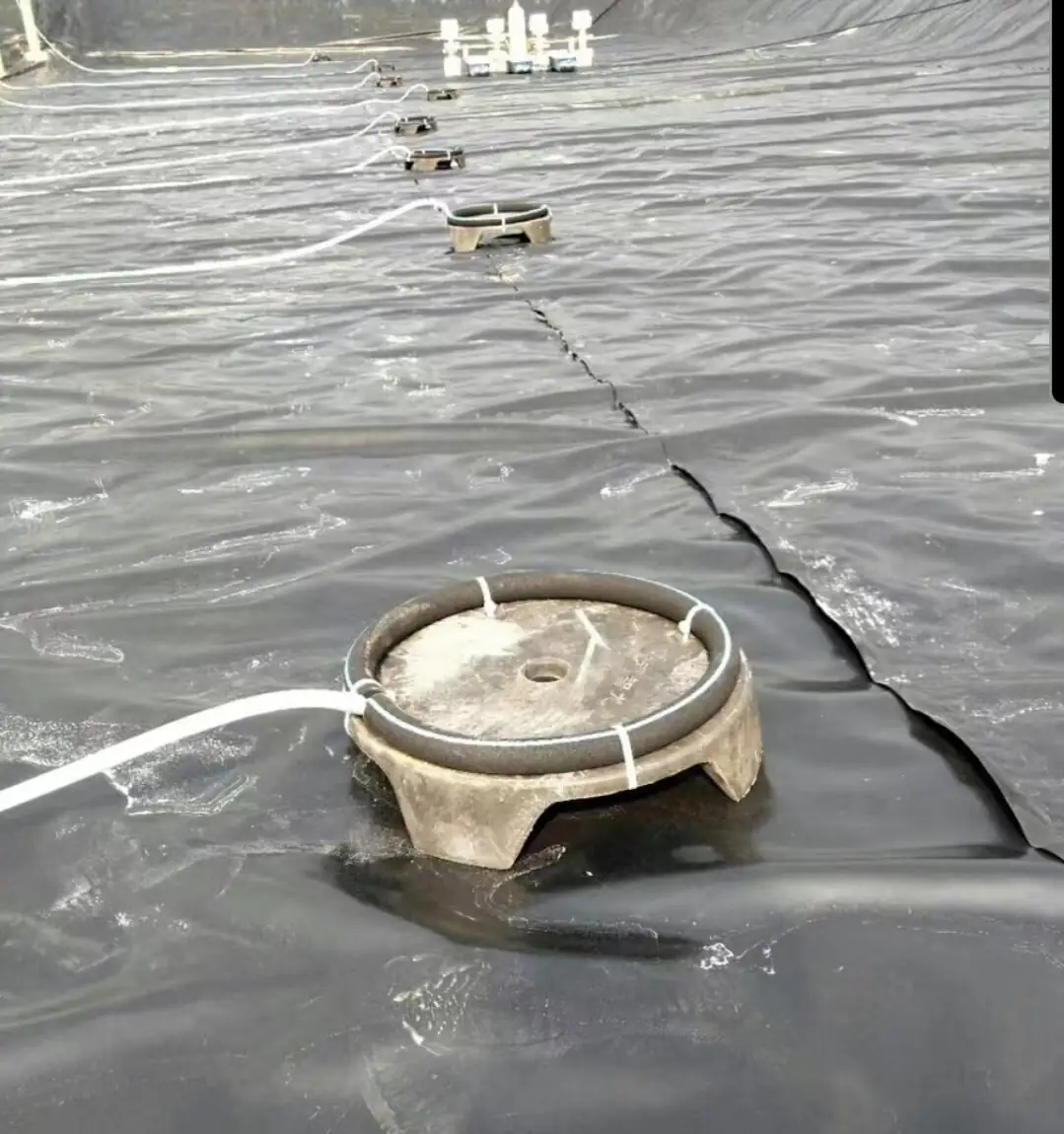
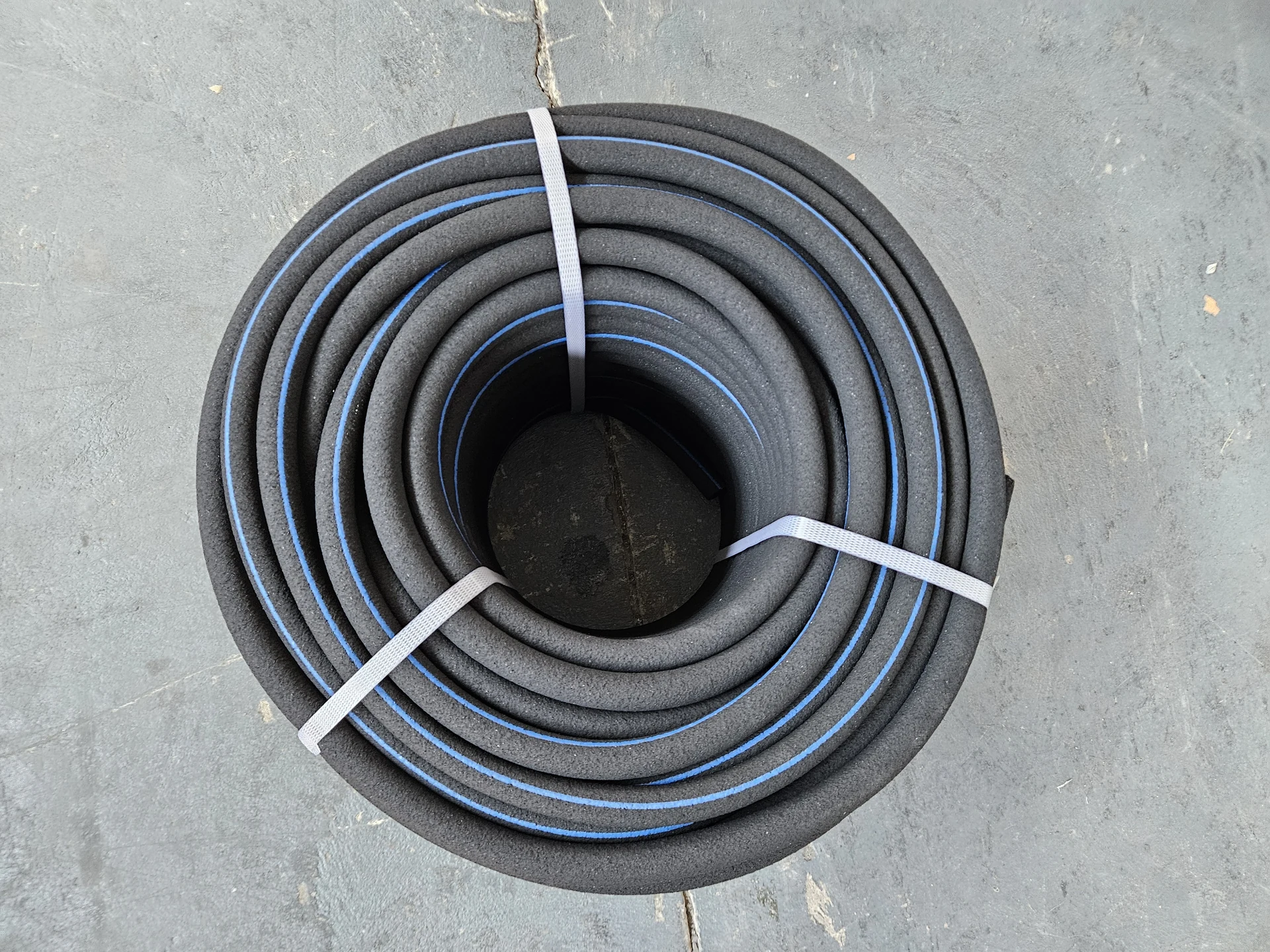
Aeration equipment: install a three-lobe Roots blower matched to the pond area (correct discharge pressure and air flow), aerating from the pond bottom to the surface. Lay microporous aeration tubing on the surface for water movement and place aeration discs on the bottom for oxygenation.
Feeding equipment: ponds under 30 mu get one 1.5 kW positive-pressure pneumatic feed blower; ponds over 30 mu get one 1.5 kW unit per 30 mu.
2. Preparation before stocking
(1) Pond cleaning and disinfection. Repair the banks, then 7–10 days before stocking disinfect with quicklime at 60–75 kg/mu, either dry-pond or with 10–20 cm of water, spreading the slurry over the whole pond. Once the quicklime has lost its toxicity, add source water gradually to 0.8–1.0 m.
(2) Fry selection and stocking. Grass carp, crucian carp, silver carp and bighead carp should come from a known source, be disease- and injury-free, uniform in size, with intact scales and smooth bodies, and must not have suffered long transport. Complete stocking before the end of February. See the stocking table for species, size, time and quantity.
(3) Fish disinfection. Before release, disinfect the fry using any one of these methods: salt bath at 30–50 kg/m³ for 5–10 minutes; potassium permanganate at 10–20 g/m³ for 15–20 minutes; or povidone-iodine at 30 g/m³ for 15–20 minutes. Adjust immersion time by species, size, water temperature, weather and fish reaction, and handle the fish gently.
3. Management during the growing season
(1) Water quality management. Pond level rises from 0.8–1.0 m at stocking to match the warming water. In March–April, add water sparingly: once every 15–20 days, 15–20 cm each time. Before mid-May (Xiaoman), hold depth at 1.8–2.0 m. From May to October, add water about every 10 days, 20–30 cm each time, ideally early morning or at night.
From late April to late October, run the aerators daily 12:00–14:00 depending on weather. From March–September and October–November, use quicklime, potassium monopersulfate and EM microbial preparations to tune water quality. Keep transparency at 15–25 cm through the growing season, with water that is rich, lively, fresh and clear (check temperature, transparency, pH and ammonia-nitrogen).
(2) Feeding management. Use compound feed for grass carp + allogynogenetic silver crucian carp, mixing hard pellets with extruded feed at a 1:0.7 ratio (feed safety limits per NY5072-2002). Early stage (March–early July): extruded feed at 30% protein, 2.0 mm pellet. Mid stage (early July–mid September): hard pellets at 28% protein, 2.0 mm. Late stage (late September–mid November): extruded feed at 30% protein, 2.5 mm pellet.
Feeding domestication: when water reaches 16–18 °C, domesticate feeding by zones. The smaller crucian carp grab feed first; larger grass carp gather around gradually; the small crucian carp end up feeding at the outer edge of the pneumatic feed blower's spread. After 7–10 days of domestication the mixed stock feeds in separate zones.
Feeding times and amounts: feeding follows water temperature, weather and fish condition. March–April: 3 times daily (09:00, 12:00, 16:00). May–October: 4 times daily (08:00, 11:00, 14:00, 17:00). Feed until about 80% of the fish are full. At 16–18 °C, feed extruded pellets 1–2 times daily at 1–1.5% of body weight; from mid-May to mid-October, raise daily feed gradually to 6–8% of body weight. Early August–mid September: up to 10% of body weight depending on weather and appetite; stop feeding in hot, rainy or stormy weather and resume gradually when conditions stabilize.
Feeding method: follow "slow–fast–slow" and "little–much–little": slow and little at the start of the season when water is cold, faster and more once the fish are accustomed to gathering, then reduce as temperature falls and water quality declines.
4. Daily management
Pond patrol: three times daily (morning, noon, evening), watching water quality, fish activity, feeding and growth, solving problems as they appear.
Fish inspection: sample regularly to check growth and adjust feed; in mid-to-late season, dissect samples periodically to inspect internal organs (especially liver) for disease and act accordingly.
Aeration: aerate according to weather, water quality and fish behaviour; on sunny days in hot season run aerators 2–3 hours at midday, and at night when needed.
5. Disease prevention
Apply "prevention first" and "prevent comprehensively, treat actively". Comprehensive measures: (1) thorough pond cleaning and disinfection, plus disinfection of fry, feeding tables and tools, and good hygiene; (2) quarantine inspection, regular medicated feed and external treatments; (3) biological and ecological control — microbial preparations to improve the bottom and regulate water quality. All drugs must follow the latest national aquaculture medication guidelines, respecting purpose, dosage and withdrawal periods.
6. Netting and harvest
Harvest timing depends on size, market price and fish health. Generally in July, net out 200–300 grass carp at about 1.5 kg each to lighten pond loading and free space for other species; drain-pond harvest runs from November to the following March.
7. Production records
Keep accurate, timely records through the whole cycle for reference.
8. Tips
a. Choose quality crucian carp fry and nurse them to a uniform size; test for myxosporean parasites before stocking.
b. Use quality mixed-farming compound feed to grow grass carp quickly early; switch to crucian-specific feed later to grow out the crucian carp.
c. Sell grass carp on schedule (don't wait for price spikes or overstock the pond — it hurts feed conversion and later crucian growth); during mid-season grass carp sales, thin the crucian carp selectively for better price and growth.
d. Keep density reasonable: 1,500–1,700 total fry per mu; at 2.5 m depth you can stock up to 1,700.
e. Pellet size should err on the small side for this mixed mode.
f. Keep water quality in check — good water is the foundation of disease prevention.