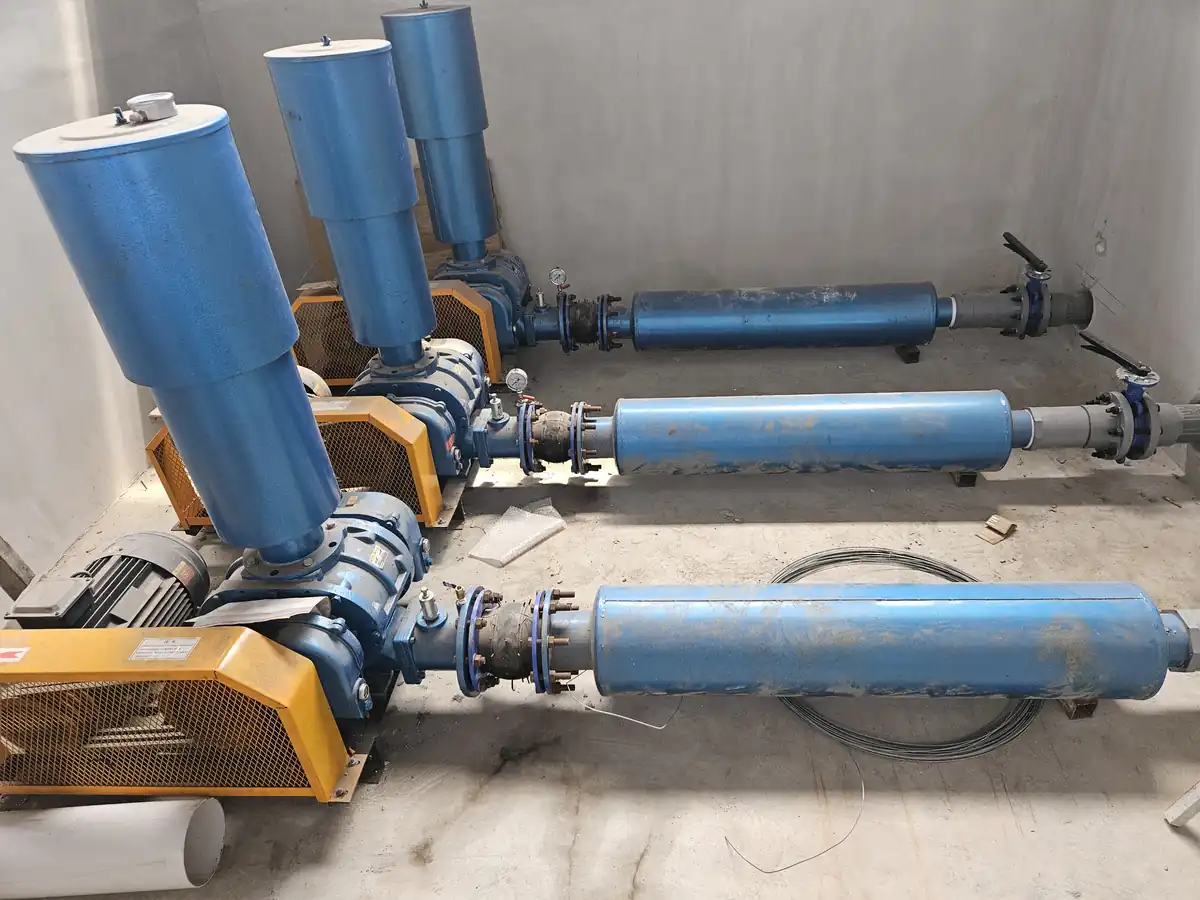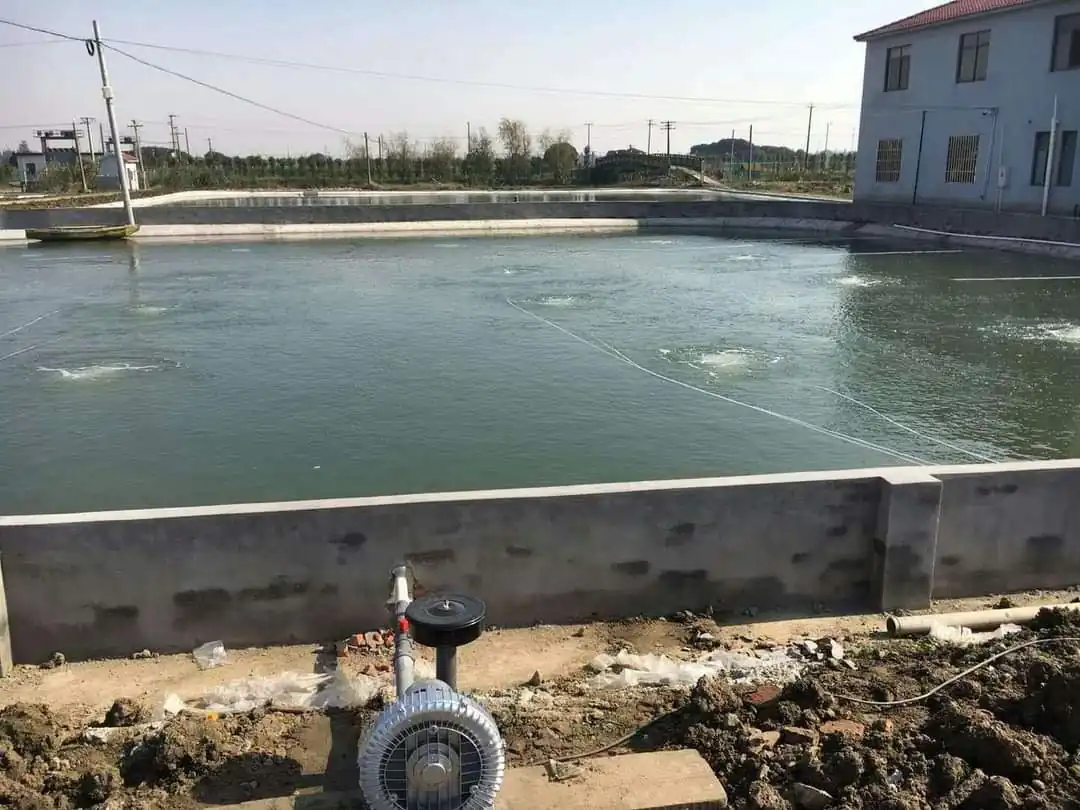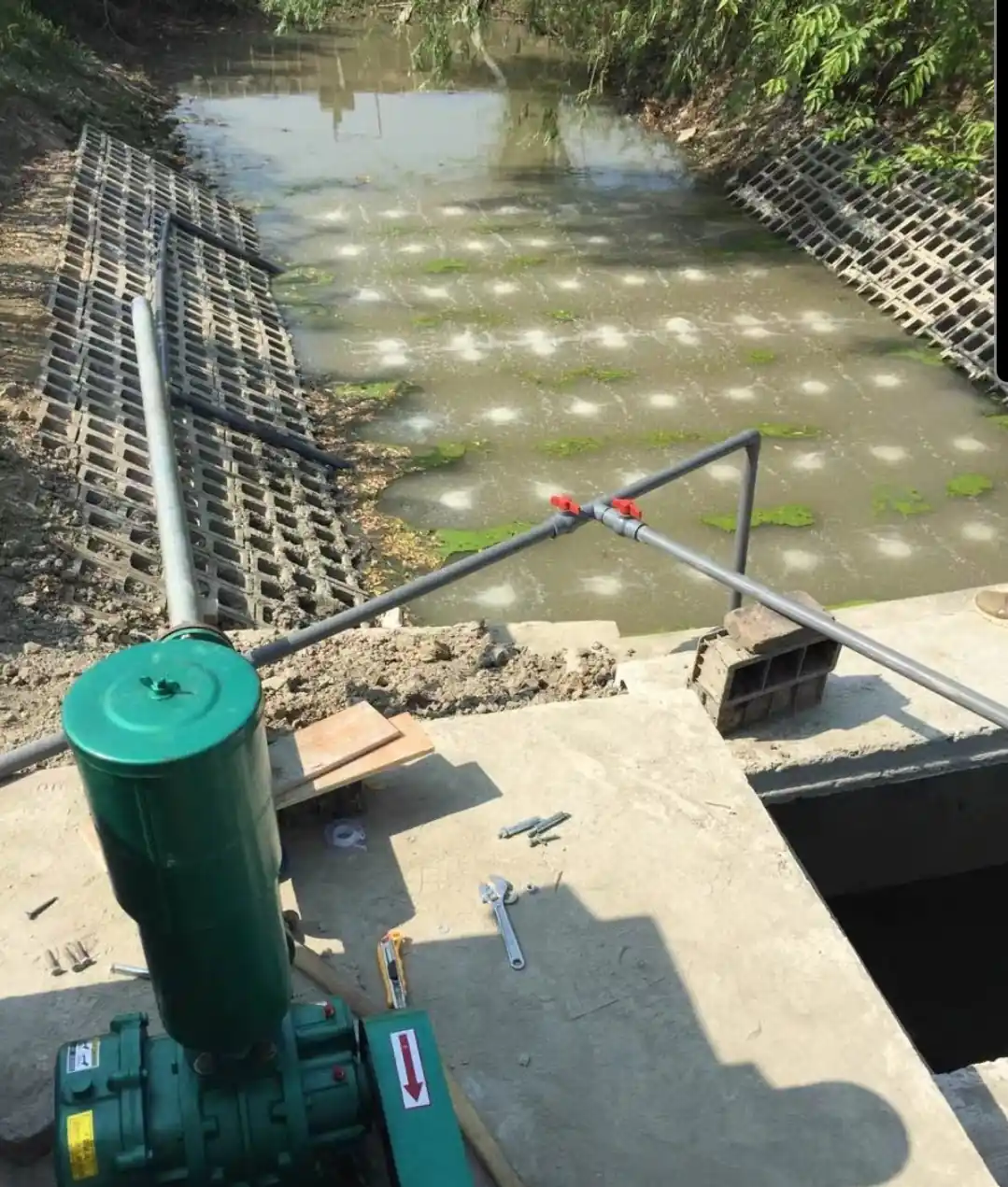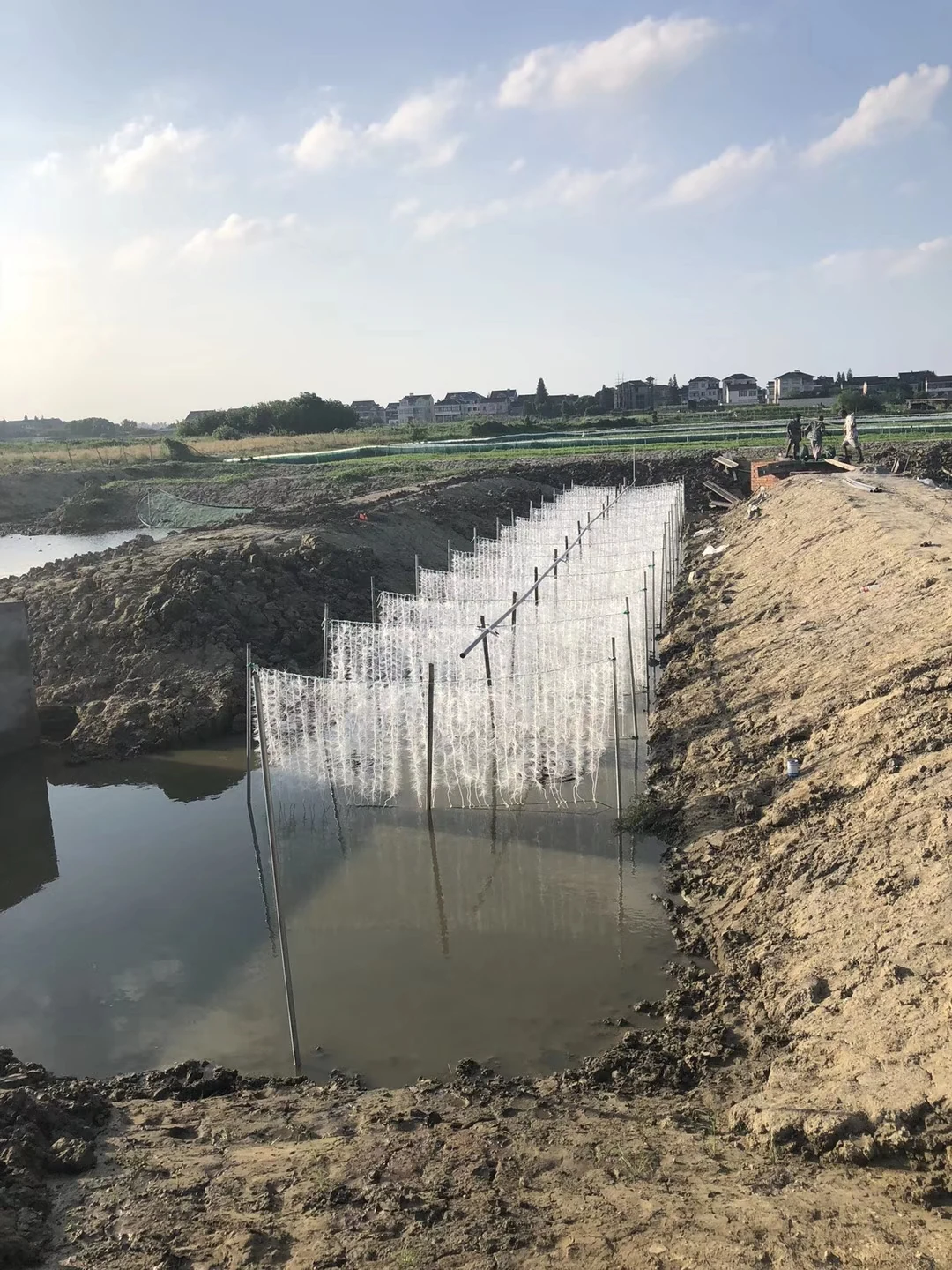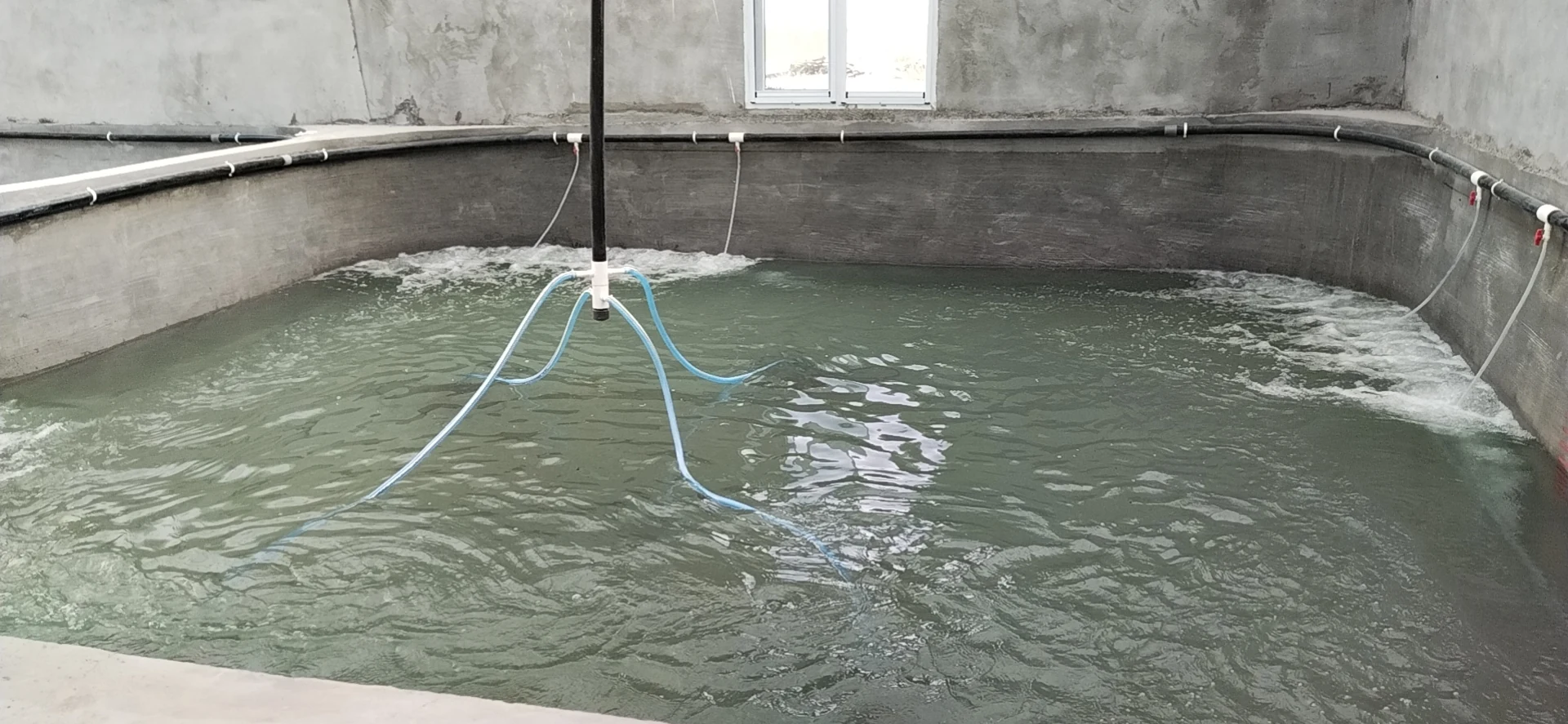
Black-odorous river remediation uses the aeration re-oxygenation method to treat polluted water. The principle is an oxidation-reduction reaction between the dissolved oxygen entering the water and the black-odorous substances. For a river that has long been oxygen-deficient, restoring the aquatic ecosystem to normal takes a long process, and aeration re-oxygenation helps speed it up. The blowers suitable for aeration re-oxygenation include: rotary blowers, vortex air pumps, roots blowers and submersible blowers.
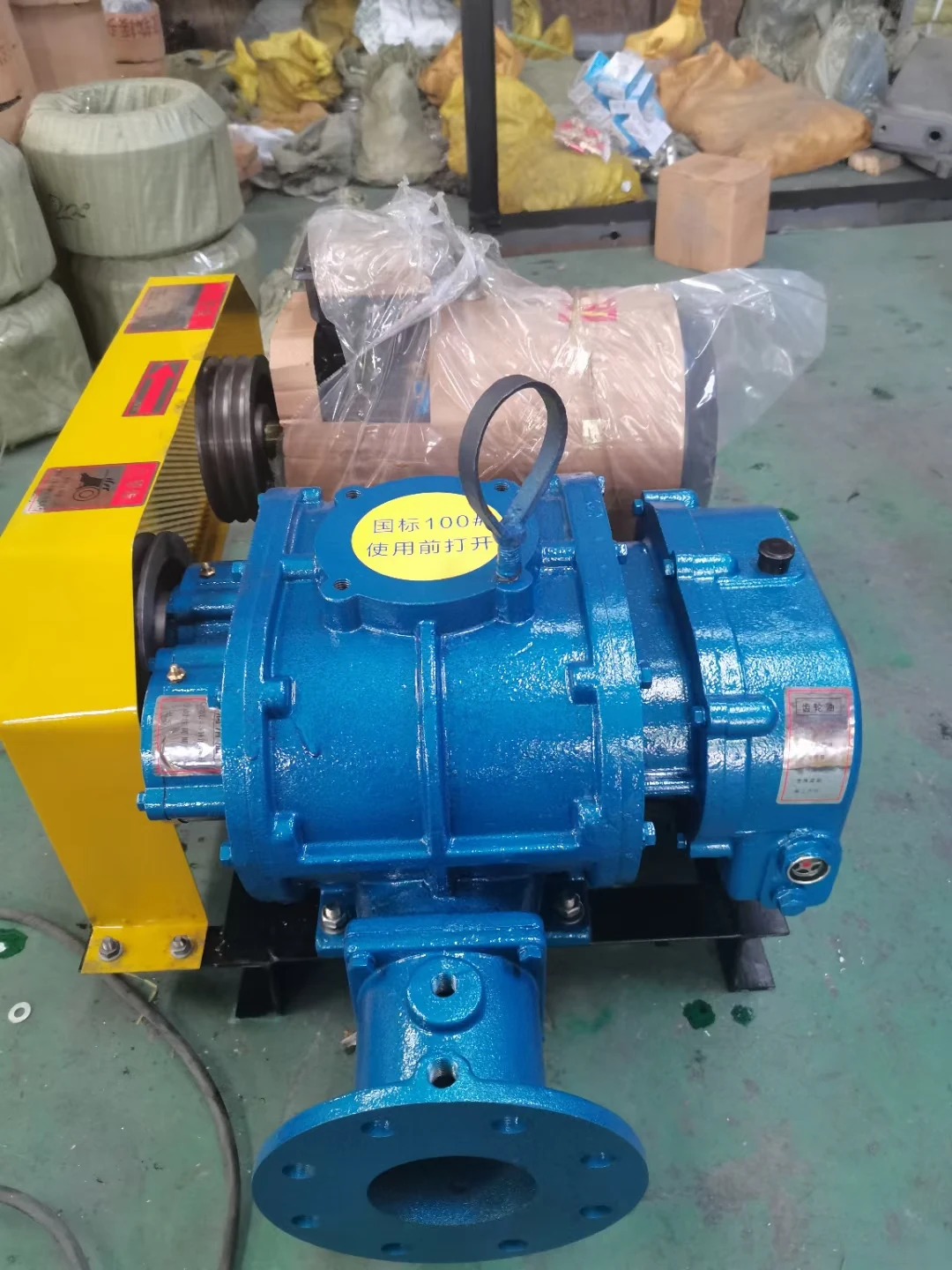
Rotary blowers are quiet but need oil lubrication, and the discharged air has an oil smell that pollutes the air. Vortex air pumps tend to burn out their motors in service, and a large part of the market has already been replaced by roots blowers. Roots blowers have a simple structure and a long service life, and are now widely used in integrated sewage treatment. The submersible blower is the upgraded version of the roots blower.
Advantages of the submersible blower
1. Lower energy loss
The high rotation speed of the submersible blower reduces backflow, which in turn reduces energy consumption.
2. Quiet operation
Because the submersible blower is placed under water, the noise it generates is refracted into the water at the air-water interface instead of spreading through the air; the water and tank walls also reflect it back, producing a sound-eliminating effect. The noise produced is almost negligible. A traditional blower must be installed on land, where noise spreads directly, typically around 90 decibels.
3. Fewer failures
The submersible blower uses a direct-coupled motor and body (no traditional belt adjustment trouble) and no pulley, reducing failure factors; it stops automatically on overload or overheating and recovers automatically. The motor and the machine itself are fully sealed with O-rings, so there is absolutely no risk of water ingress. If the motor stops on overheating, clean the housing to restore heat dissipation. Traditional blowers mostly use belt drive, and being installed outdoors, they corrode under wind and rain with parts failing early.
4. Easy installation
The submersible blower needs no fixed base, short piping and a small installation space. Traditional blowers need a fixed base, piping from the shore, long pipe runs, and a suitable installation site on land.
5. Durable bearings and gears
The submersible blower applies preload plates to the bearings, reducing bearing clearance, vibration and noise, extending bearing life by about 20%. Traditional blowers use natural cooling; in summer heat, a blower motor installed on the bank can overheat suddenly and trip.
6. No blower house needed
Because it sits in the water and is sound-eliminated, the submersible blower needs no sound-proof hood or sound-proof building, and placed in the water tank it takes up no space, making efficient use of the site. Traditional blowers installed on land need a blower house to protect them from sun and rain.