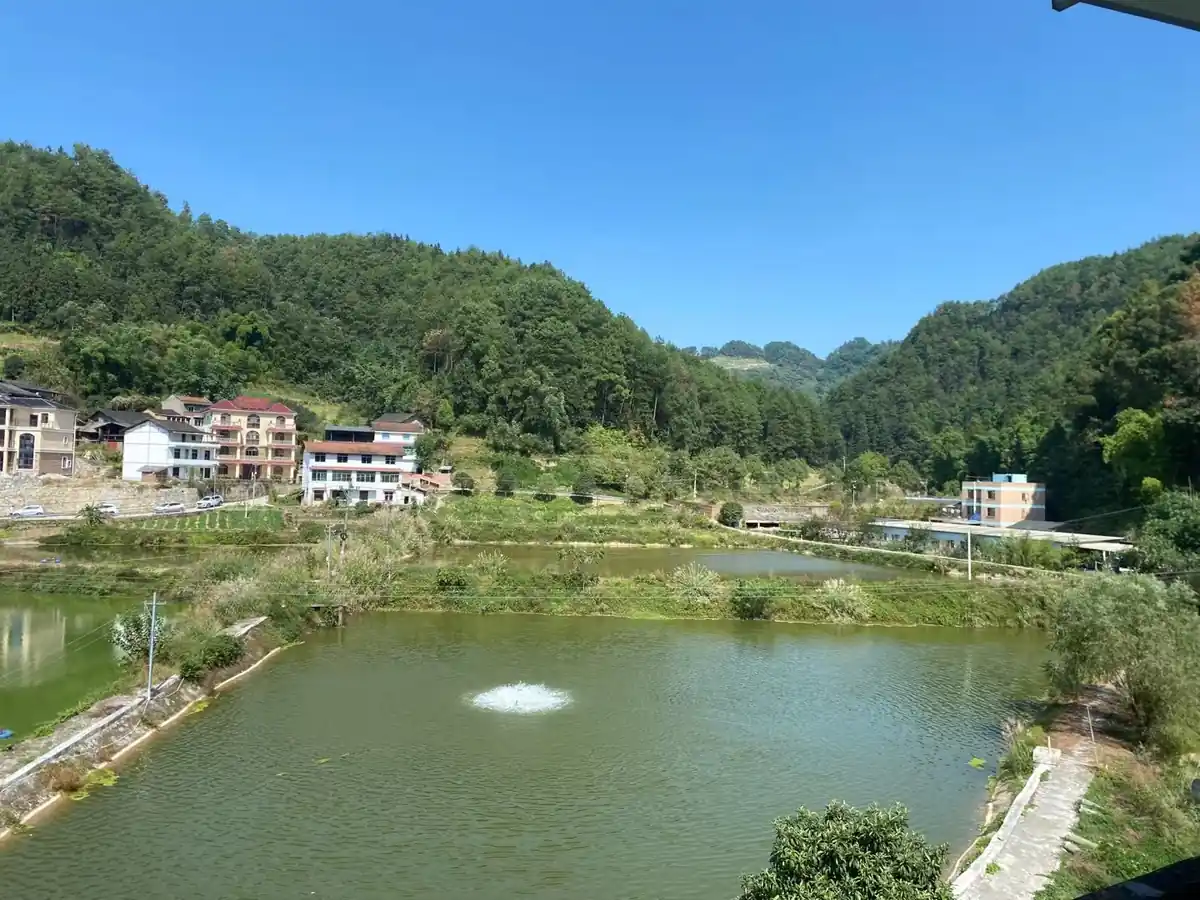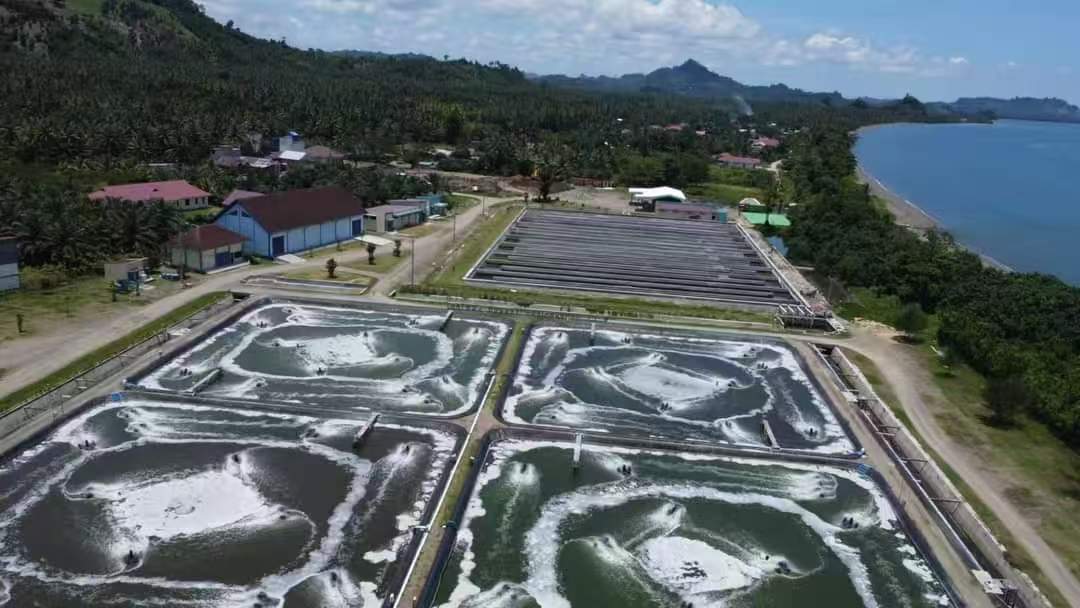
Microorganisms act directly or indirectly on the farmed species and the environment: they decompose feces, feed residues and phytoplankton residues, and through oxidation, reduction, photosynthesis, assimilation and dissimilation convert organic matter into simple compounds — keeping the water quality normal and the ecosystem balanced. They participate in the carbon cycle mainly by transforming carbon compounds, especially nitrogenous and carbonaceous organics, through fermentation and oxidation: oxidation in the surface aerobic zone and anaerobic fermentation in the bottom anaerobic zone convert carbon-containing substances into CO₂ for plant photosynthesis.
Welcome to contact usWhatsApp / WeChat: +86 180 1341 8091 · +86 180 1341 8097
Questions? Contact our team